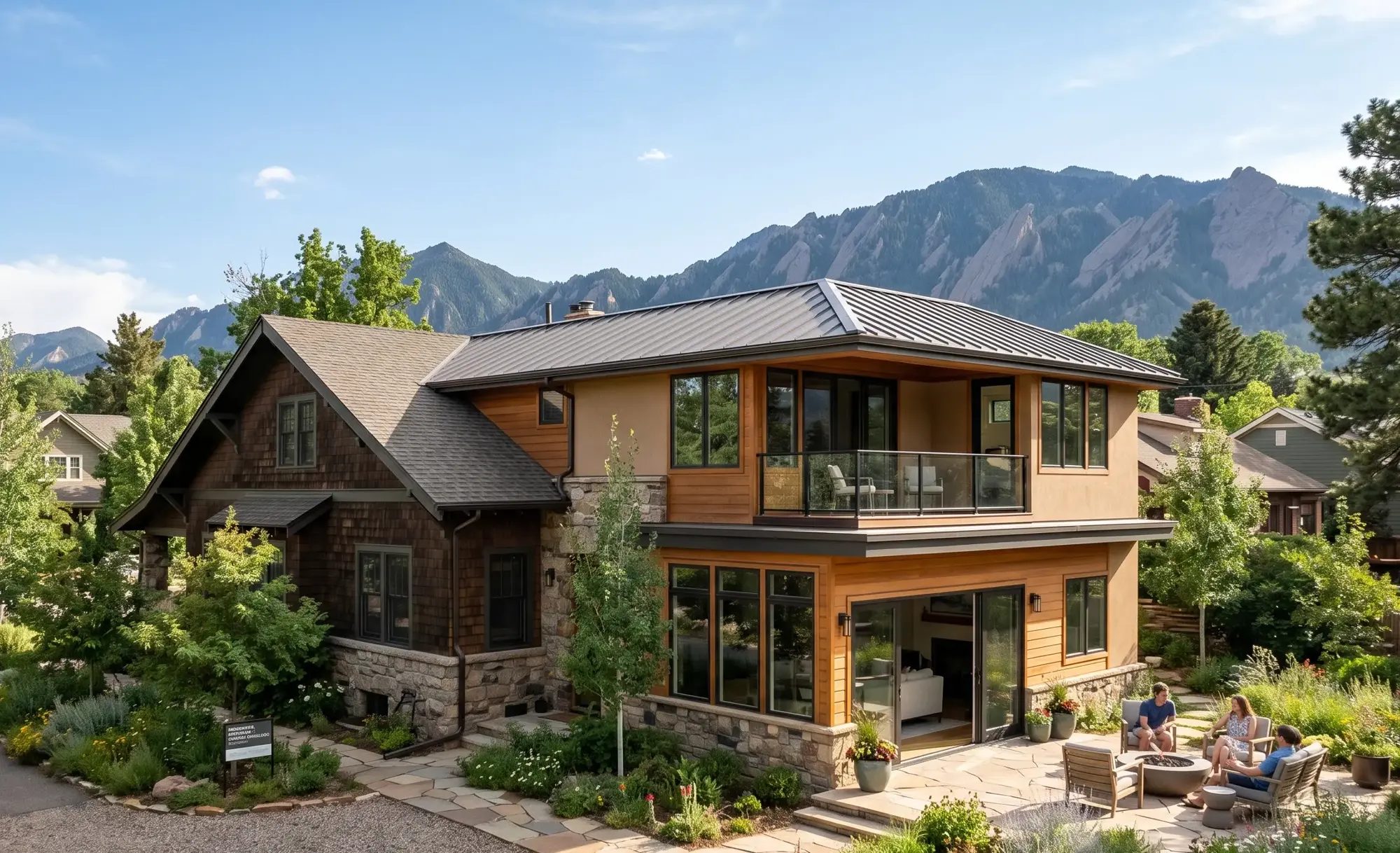
Many Boulder deck projects need some level of permit review, especially when the work affects structure, stairs, guardrails, footings, height, or the footprint of an existing deck. The safest answer is to check the current City of Boulder requirements before assuming a deck is simple cosmetic work.
Deck Details That Often Matter
Permit needs can depend on details such as:
- Whether the deck is new, rebuilt, expanded, or repaired.
- How high the walking surface sits above grade.
- Whether stairs, guardrails, or handrails are included.
- How posts, piers, ledgers, and footings connect to the home and ground.
- Whether the property has zoning, setback, floodplain, wildfire, or historic constraints.
- Whether electrical work is included for step lights, post lights, or outdoor outlets.
Use Official Boulder Resources
The City of Boulder keeps the current permit guidance and inspection information online:
Those pages should be checked before finalizing scope, because local requirements can change and every property has its own constraints.
Why Structural Planning Comes First
Decks in Colorado need to handle sun, snow, freeze-thaw cycles, railing loads, and day-to-day use. Materials matter, but structure matters first. A good deck plan should address footing depth, framing spans, ledger attachment, drainage, railing details, and how the deck meets the home.
What To Gather Before Calling A Builder
- Photos of the existing deck or planned location.
- Approximate dimensions and desired layout.
- Notes on stairs, railing type, lighting, privacy, seating, or planters.
- Any known HOA or neighborhood requirements.
- A target material direction, such as cedar, pressure-treated lumber, hardwood, or composite decking.
Geringer Construction builds decks for Boulder homes with attention to structure, materials, and finish details. See the Deck Construction service page for scope examples, or contact Geringer Construction to talk through a specific project.